
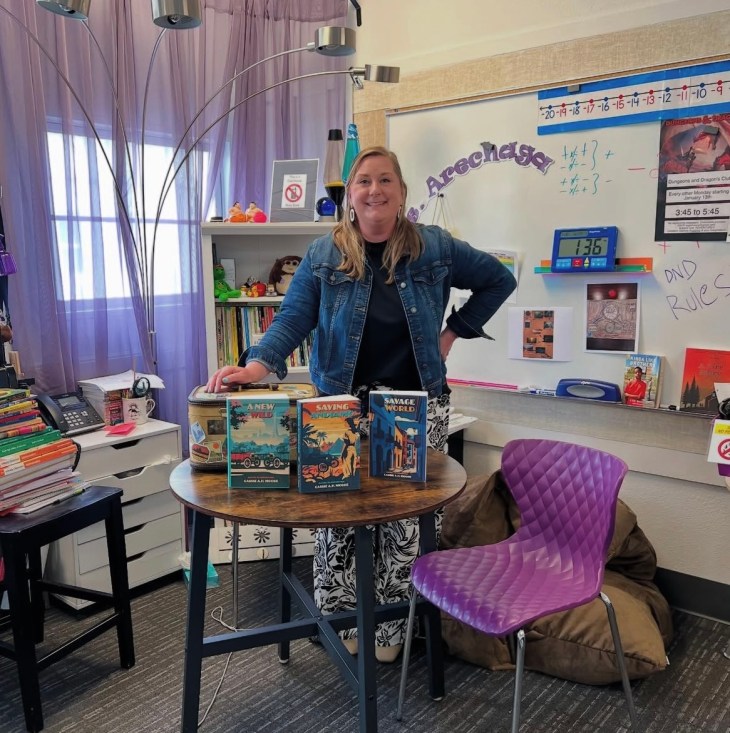
As a former educator, I am passionate about bringing stories to life in the classroom and supporting teachers with meaningful, flexible resources. My historical fiction novel series is well-suited for middle school and up, offering clean, fast-paced action and adventure alongside memorable, relatable characters.
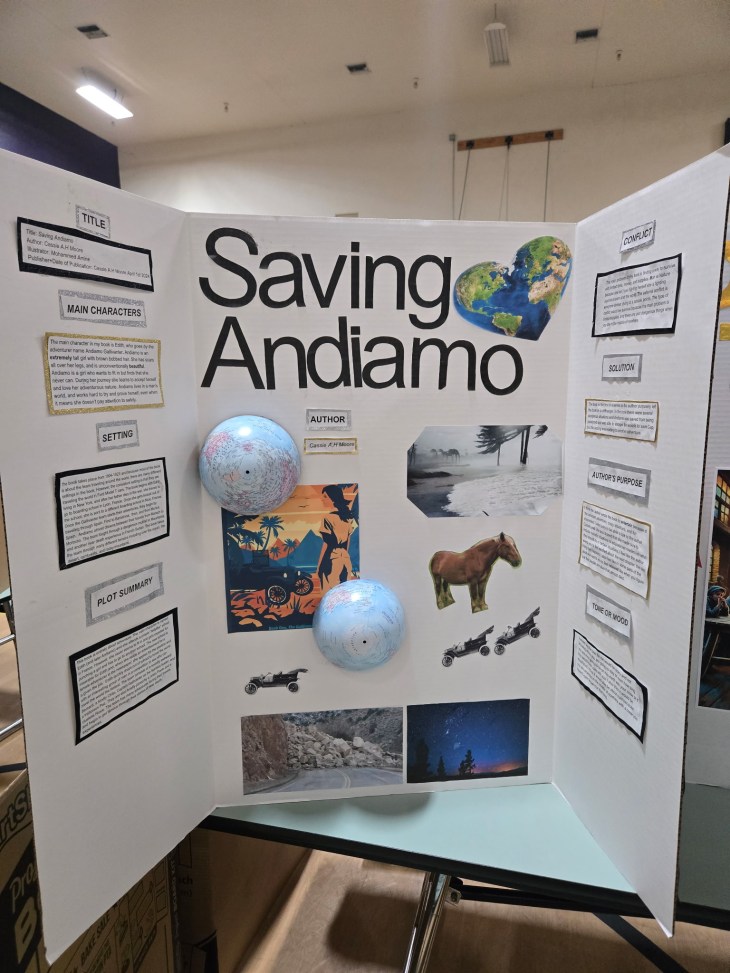
I love seeing it used in a variety of ways—from language arts classes and book reports to geography activities where students map the explorers’ journey, to history discussions on women’s rights and the suffrage movement, and as inspiration in art classes. Use the ideas on this page to spark some creativity in your own classroom!
- Historical Profiles: Students investigate real events or figures from the story and present findings as detectives.
- Visual Timeline: Create a large-scale visual timeline connecting events in the book to real-world history.
- Travel Itinerary Project: Plan out the explorers’ journey with routes, costs, supplies, and cultural considerations. Bonus if you can figure out how much it cost in the 1920s and how much it would cost now!
- Alternate Reality: Write new scenes that stay true to character and tone.
- Character Journals: Students write diary entries from a character’s perspective at key moments. How did Andi feel when she first joined the team? How did Cap feel when he got in a car accident? Get creative!
- Act Out A Scene: Turn narrative passages into scripts and perform them. The Gallivanters have plenty of adventures that make for gripping short plays!
- Theme Essays: Explore themes of courage, resilience, or identity through textual evidence.
- Book Trailer Creation: Students create short video promos to “sell” the story.
- Primary Source Pairing: Compare scenes with real letters, photos, or documents from the era.
- Women’s Rights Exploration: Research and present on suffrage leaders and movements connected to the story.
- Cultural Studies: Dive into the regions featured—customs, languages, and societal norms.
- Map-Making: Plot routes using maps or digital tools, analyzing terrain and distance.
- Survival Engineering: Design tools or kits the characters would need as they traveled the world in their open-top cars.
- Navigation Challenge: Teach basic navigation (compass, stars) tied to the journey.
- Costume Design: Create historically inspired outfits for each character.
- Soundtrack Curation: Build a playlist that reflects the mood, setting, and themes of global exploration.
- Scene Illustration or Graphic Novel Adaptation: Turn key moments into visual storytelling.
- One School, One Book Program: Coordinate a shared reading experience with events and discussions.
- Hallway Museum Exhibit: Display student projects—maps, art, essays—for the whole school.
- Literary Festival Day: Include trivia, costumes, performances, and themed stations.
- Moral Dilemmas Discussion: Explore tough choices characters face and relate them to students’ lives. How would you handle the challenges these characters faced?
- Leadership Analysis: Identify leadership traits and evaluate decisions made under pressure.
- Resilience Mapping: Track how characters respond to setbacks and what strategies they use.
- Podcast Episodes: Students record discussions, interviews, or “in-character” storytelling.
- Interactive Blogs or Discussion Boards: Ongoing reflection and peer feedback.
- Digital Story Maps: Combine maps, images, and text to retell the journey.
To support educators, I provide free discussion guides designed to spark critical thinking and creativity.
I am also thrilled to partner directly with schools through virtual or in-person author visits, whether speaking to a single classroom or an auditorium of students, and I offer engaging, hands-on creative writing workshops that encourage students to find and tell their own stories.
I offer discounted rates on books for educational settings. Please contact me for more information.
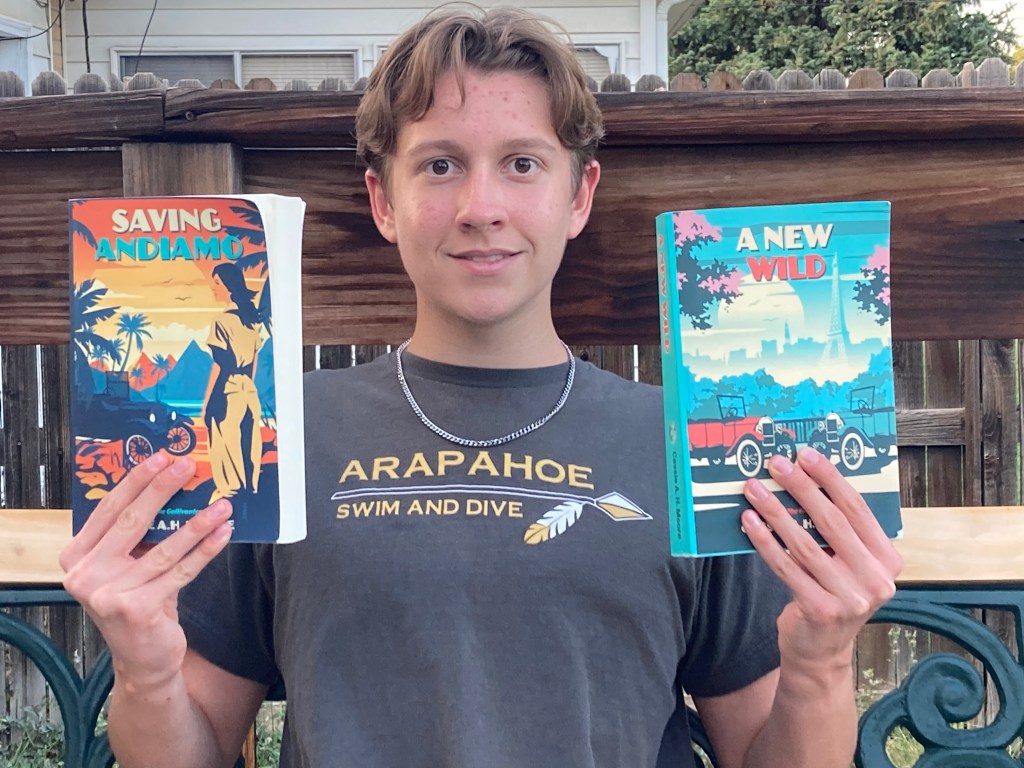
 Cassie A.H. Moore